







Lose yourself in the era of the American cowboy within one of Oklahoma's renowned museums dedicated to the Old West. Discover awe-inspiring works of art by globally-known artists, wander the streets of a recreated Old West town and explore memorabilia from bygone days when singing cowboys were heroes of the silver screen. From world-class metropolitan museums to the historic homesteads of famous Wild West showmen, these amazing Western heritage museums will give you a colorful glimpse of cowboy culture in Oklahoma.
National Cowboy & Western Heritage Museum - Oklahoma City
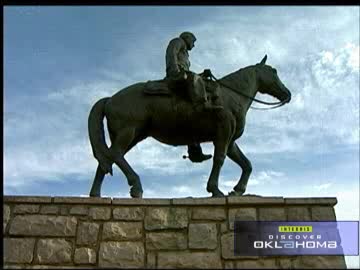
At the National Cowboy & Western Heritage Museum in Oklahoma City, visitors are in for a larger-than-life experience the moment they step through the door. Linger over the dramatic 18-foot "End of the Trail" sculpture by James Earle Fraser and then wander throughout the American Cowboy Gallery, which is designed to feel like the interior of an old ranch house. Inside, visitors can check out cowboy tools of the trade including saddles, spurs, bits and branding irons. Children especially love the National Cowboy & Western Heritage Museum for the full-scale Western town of Prosperity Junction and Cowboy Corral, an area where children are encouraged to don chaps and spurs, get their picture taken on a stationary horse and listen to the museum’s resident cowboy talk about life on the range.
Gilcrease Museum - Tulsa
Art lovers and history aficionados will both appreciate the Gilcrease Museum in Tulsa. With over 10,000 pieces of art, the Gilcrease is known for housing the largest collection of Western American art in the world. Visitors to the collection, which was originally owned by oilman Thomas Gilcrease and later given to the city of Tulsa, will find an amazing 18 of 22 famed Frederic Remington sculptures. Marvel at works by Charles Russell, William R. Leigh, Thomas Moran, George Catlin and Albert Bierstadt before perusing the diverse collection of archaeological finds, paintings, historical documents and themed gardens.
Woolaroc Ranch, Museum and Wildlife Preserve - Bartlesville
Nestled in the Osage Hills of northeast Oklahoma, the Woolaroc Ranch, Museum and Wildlife Preserve in Bartlesville offers visitors a mix of nature, heritage and history around every turn. Begin your visit with a tour through the museum where you’ll see artifacts from dozens of Native American tribes. Stunning beaded buckskins, hand woven baskets and feather bonnets are showcased near paintings by Frederic Remington and Charles M. Russell.
The ranch and preserve are just as artistically captivating with sculptures by Joe Beeler, a renowned Western artist, dotting the landscape. Take a look inside the opulent eight-bedroom lodge once owned by oilman Frank Phillips and imagine the grand parties of the 1920s when the retreat was built. In addition to the museum and lodge, Woolaroc is also home to a free range herd of bison, longhorn cattle, elk, deer, water buffalo, llamas and pigmy goats.
Chisholm Trail Heritage Center - Duncan
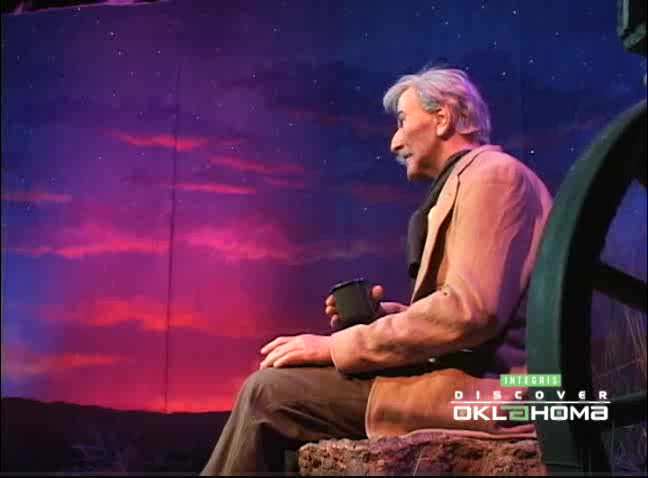
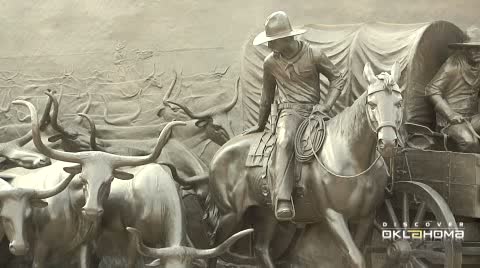
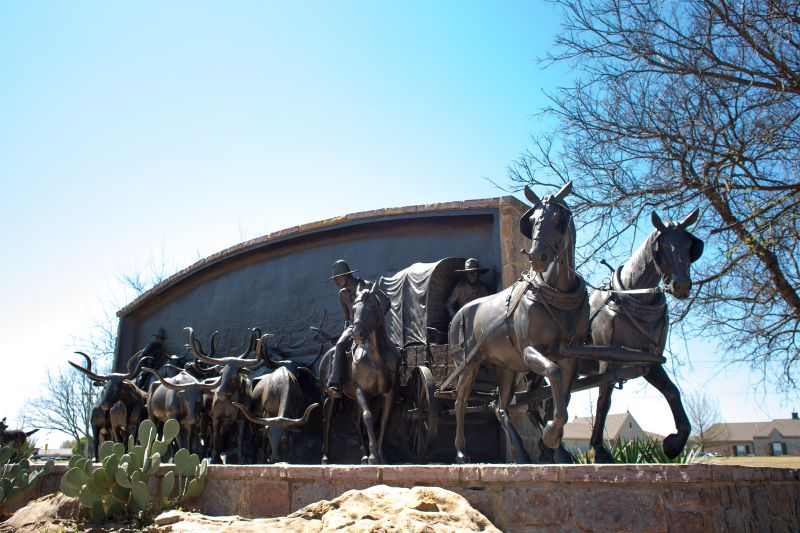
Immerse yourself in the adventure of the great Western cattle drives at the Chisholm Trail Heritage Center in Duncan, where visitors are invited to explore Western art galleries and interact with the museum's multi-sensory displays, which are scattered throughout the facility. Pick up a lasso, try on a cowboy hat and venture into the Old West within the museum's two theaters. The Campfire Theater lets visitors get up close to a robotic Jesse Chisholm as he chats around the campfire, and the Experience Theater is an educational and entertaining way to learn about history as you see, hear, feel and even smell the story.
Pawnee Bill Ranch Historic Site & Museum - Pawnee
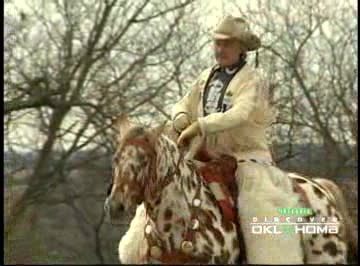
Visit the Pawnee Bill Ranch Historic Site & Museum in Pawnee to see the home of Wild West Show entertainer Gordon W. “Pawnee Bill” Lillie. Not only does the 500-acre property house the original 1910 mansion, but also an on-site museum, blacksmith shop, log cabin, barn and Indian Flower Shrine. Pawnee Bill and his wife, May, took the country by storm in the early 1900s with Pawnee Bill’s Historical Wild West Indian Museum and Encampment Show featuring Pawnee Bill and the Champion Girl Horseback Shot of the West.
Explore the 14-room, fully furnished mansion and museum, where you’ll see many displays relating to Pawnee Bill, the Wild West Shows and the Pawnee tribe. Take a drive-through tour of the grounds where you can see herds of bison, longhorns and draft horses grazing in the fields. If you visit during the last three Saturdays of June, you’ll even be treated to a re-enactment of Pawnee Bill’s Original Wild West Show.
Will Rogers Museums - Claremore & Oologah
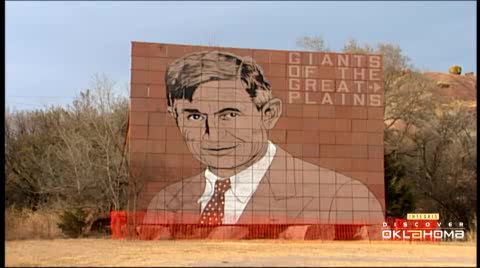
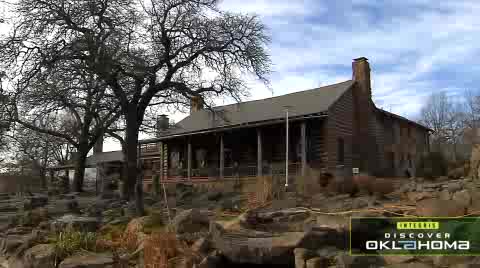
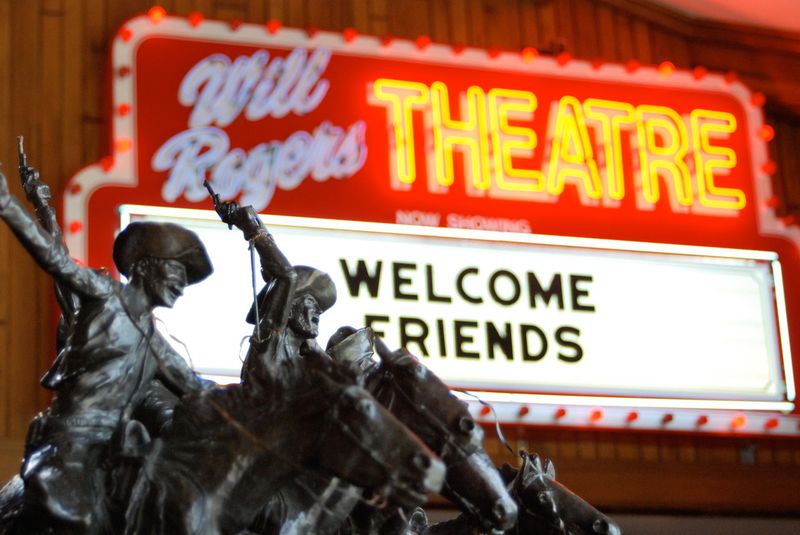
Oklahoma’s favorite son is memorialized in the northeast Oklahoma cities of Oologah and Claremore, where visitors can tour his birthplace and get a glimpse of his life on the Western frontier. Will Rogers fans will delight in the Dog Iron Ranch, located on the shores of Lake Oologah, where Rogers was born. The 400-acre spread is open all year, and Rogers' boyhood home maintains an authentic 1880s air. In Claremore, the Will Rogers Memorial Museum offers a collection of original Western art, a Western saddle collection and extensive photography and memorabilia related to Rogers’ life.
Gene Autry Museum - Gene Autry
Let the Gene Autry Museum take you back to a simpler time of singing cowboys and expertly trained horses amid displays of movie posters, records and collectibles. The Gene Autry is dedicated to the legacy of the singing cowboys of "B" Western films of the 1930s, '40s and '50s like Gene Autry, Eddie Dean, Roy Rogers and Ken Maynard. Located in the former schoolhouse in the small town of Gene Autry, the museum is also home to a 500-seat performance hall.