







No matter the season in Oklahoma, hiking is a pursuit that can be enjoyed in every corner of the state. Whether you're looking to devote an hour or a full day, there are plenty of options to make the most of your time outside.
This article is the first of a three-part series that will explore hiking in Oklahoma. This installment takes a look at three trails appropriate for beginners. Included here are trails in Oklahoma City, Tulsa and Sulphur, though there are beginner-level trails all across the state. The main thing is to get outdoors and explore these trails yourself.
Martin Park Nature Center – Oklahoma CityMartin Park Nature Center is a 140-acre wildlife sanctuary and educational facility in northwest Oklahoma City. The park is comprised of creek-bottom woodlands and open fields with scattered trees. It’s a great place for bird and wildlife viewing, and the nature center offers a variety of educational programs and activities, including guided nature hikes.
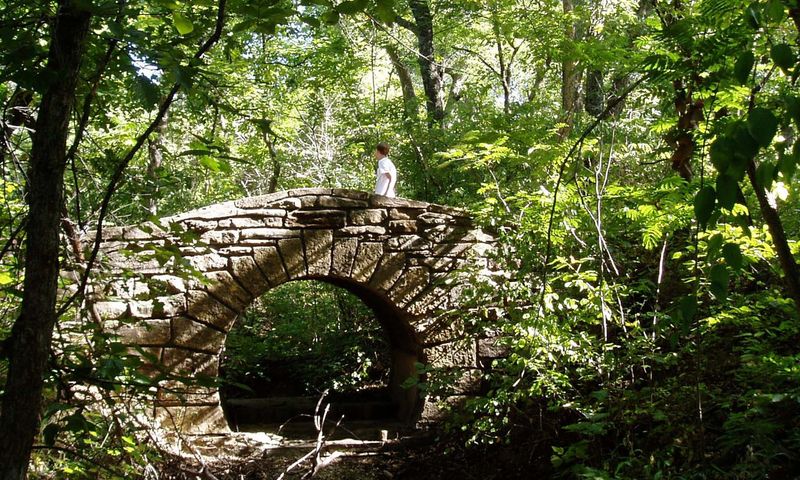
There are four hiking trails at Martin Nature Park, and each of these runs just under one mile in length. There is a trail through the open prairie landscape, one running half its length through the open fields and the other half through wooded terrain, and two trails that meander entirely through the woods.
These trails are primarily gravel-lined with stair steps in a few areas, though there is little in the way of elevation change. This makes Martin Nature Park a great place for even casual hikers and walkers who just want to get outside and enjoy the scenery.
Learn about the area's plant and animal life on a guided hike led by a park naturalist, which is available with advance reservations and a nominal fee.
Oxley Nature Center – TulsaOxley Nature Center in Tulsa is the place to go when you want diversity in your hike. Located inside Mohawk Park, about one mile north of the Tulsa Zoo, Oxley has nearly 11 miles of trails traversing a variety of habitats. The Prairie Trail, for example, runs through an open field, skirting a pond, while the Blackbird Marsh Trail features an elevated boardwalk, which allows you to observe aquatic plants, birds and other marsh wildlife.
Other trails include the Blue Heron Trail, complete with bird blinds, which are walls that allow you to approach closely and observe the birds without disturbing them; the Red Fox Trail, designed for a sensory-awareness experience; and an undeveloped path through the woods known as the Green Dragon Trail. Each of these trails is roughly a half-mile in length over fairly flat terrain. The North Woods Loop and the Beaver Lodge Trail, which features nature’s own engineer, the beaver, are each about a mile in length. And because the trails at Oxley are connected, you can customize your hike to your specific wishes.
One of the special things about Oxley is the floodplain forest, which is hard to find in Oklahoma because many of the rivers are dammed. However, guests can spot floodplain forest growing along Bird Creek and throughout the park, though the North Woods Loop trail has some of the best examples of floodplain forest.
Chickasaw National Recreation Area – SulphurThe Chickasaw National Recreation Area, formerly Platt National Park, is an ecologically unique area. Located in south-central Oklahoma near Sulphur, it is in the transition zone where eastern deciduous forest meets the western prairie landscape. This means there are thick forests of oak, hickory and sycamore existing alongside open prairie.
The Chickasaw National Recreation Area is perhaps most famous for its mineral springs and clear streams, which attracted early Native Americans who came here to hunt and relax. Today, the park attracts all types of outdoor enthusiasts. Some of them just want to catch a glimpse of the bison that live here, while others come to swim, camp and hike.
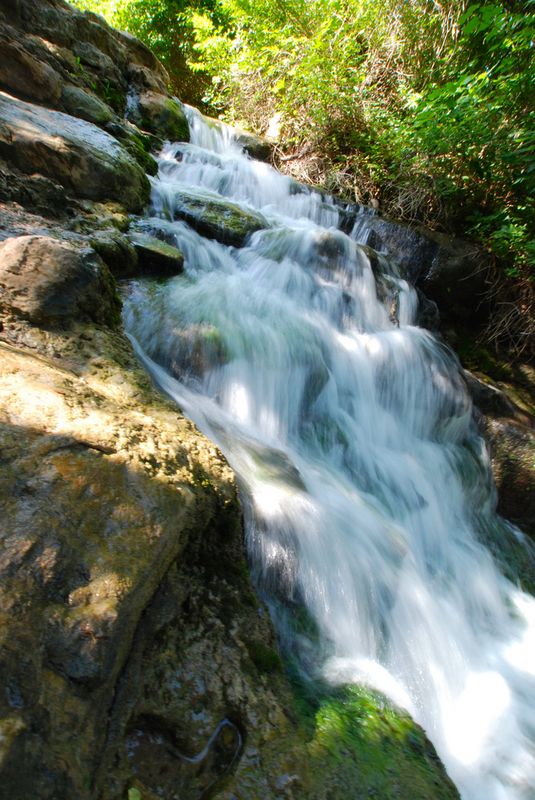
There are more than 30 miles of trails at the Rock Creek Multi-Use Trails, running through a variety of habitats and offering something for every level of hiker. But if you just want to take it easy and enjoy a nice, leisurely walk through the woods, try the Travertine Creek Trail. This 1.5-mile path begins at the nature center and leads west to the Little Niagara waterfall. As its name implies, this trail follows Travertine Creek and leads you through limestone hills and a forest of oak, sycamore and elm. For a special treat, try hiking here in early spring, when the trees and plants are blooming, and the birds are nesting and singing.
A diverse plant and animal life is one of the special qualities of the Chickasaw National Recreation Area, and one of the reasons why so many who come here to hike also pack binoculars for bird-watching. The hiking trails at the Chickasaw National Recreation Area are open all year.